In a competitive real estate market, differentiation is everything. As a property developer, building a strong real estate brand is not just an advantage — it is a necessity.
A well-defined brand can make the difference between a residential development that sells out fast and one that lingers on the market far too long. This in-depth guide explores every aspect of building and promoting a successful real estate brand, from understanding the concept of branding to implementing effective real estate marketing strategies.
1. Why building a real estate brand matters for residential developments
What is a real estate brand?
A real estate brand is much more than a logo or a catchy slogan. It is the essence of what a residential development stands for and how it is perceived by its target audience.
Your brand is the sum of every impression, feeling, and perception a buyer has about a particular residential project. This goes beyond visuals — it encompasses the values, mission, and overall experience the development delivers.
Your brand is what other people say about you when you're not in the room.
Jeff Bezos, founder of Amazon.
A real estate brand is, ultimately, the promise you make to your buyers. It is what drives them to choose your development over the competition. In a crowded market, a strong brand can be the differentiator that puts you at the top of buyers' shortlists.
Brand vs. Brand Identity
Although the terms "brand" and "brand identity" are often used interchangeably, they carry distinct meanings:
- Brand: The brand is the overall emotional perception the public holds about a residential development. This includes reputation, values, the promises made to buyers, and how the development is perceived as a whole.
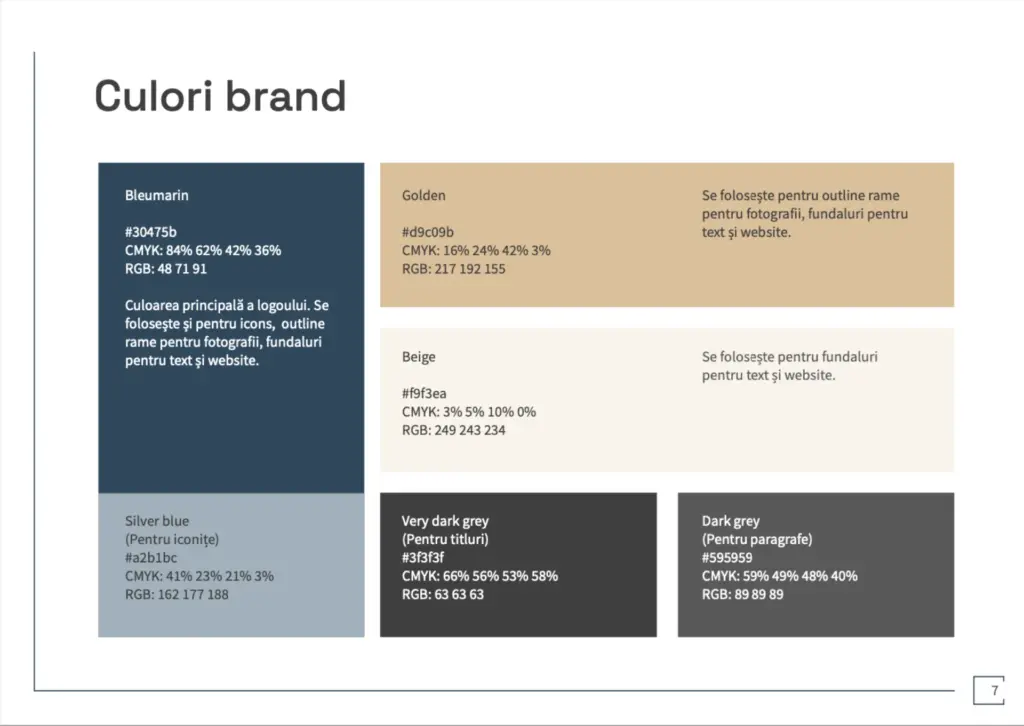
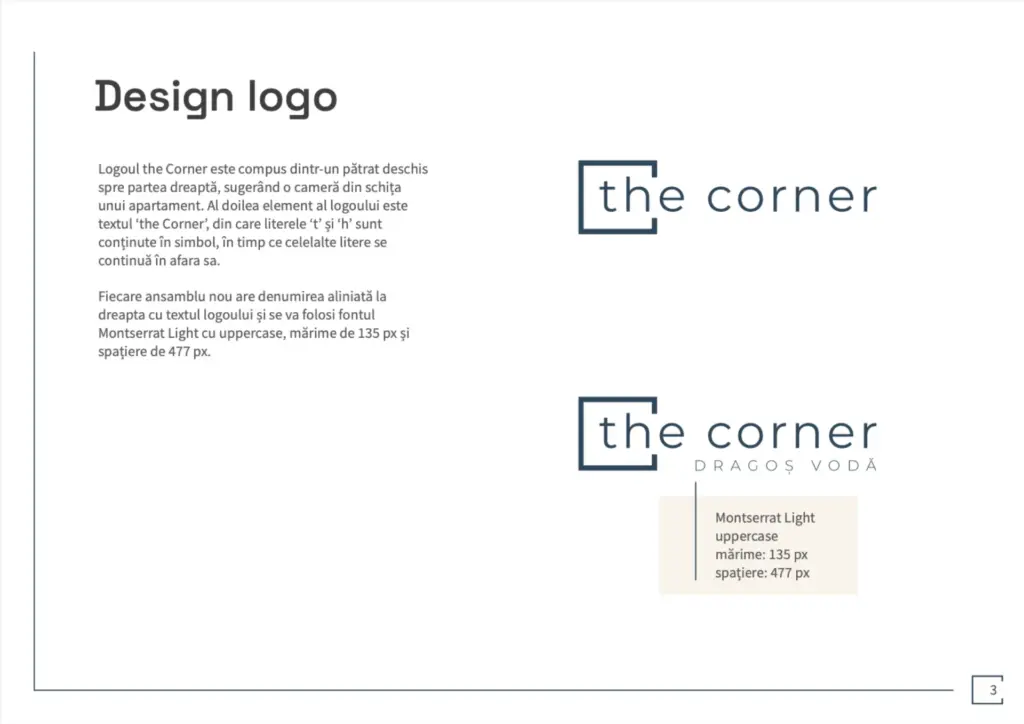
- Brand Identity: Brand identity is the collection of visual and auditory elements that represent the brand. These include the logo, color palette, typography, marketing material design, and messaging. Brand identity is what makes the brand recognizable and memorable.
Key differences between brand and brand identity
Brand focuses on the perception and emotion that the residential development evokes. It is about what people feel when they think of your development and the overall impression it leaves.
Brand identity refers to the tangible elements that shape that perception. It is about how your brand looks and sounds. These visual and auditory elements are used to communicate and reinforce the brand's messages and values.
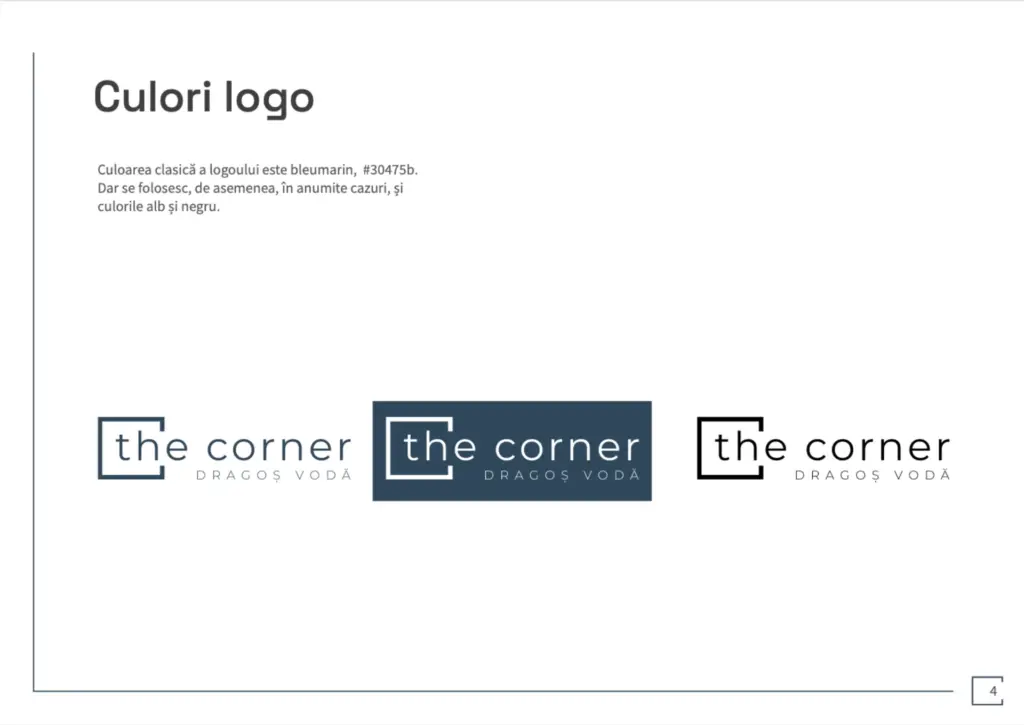
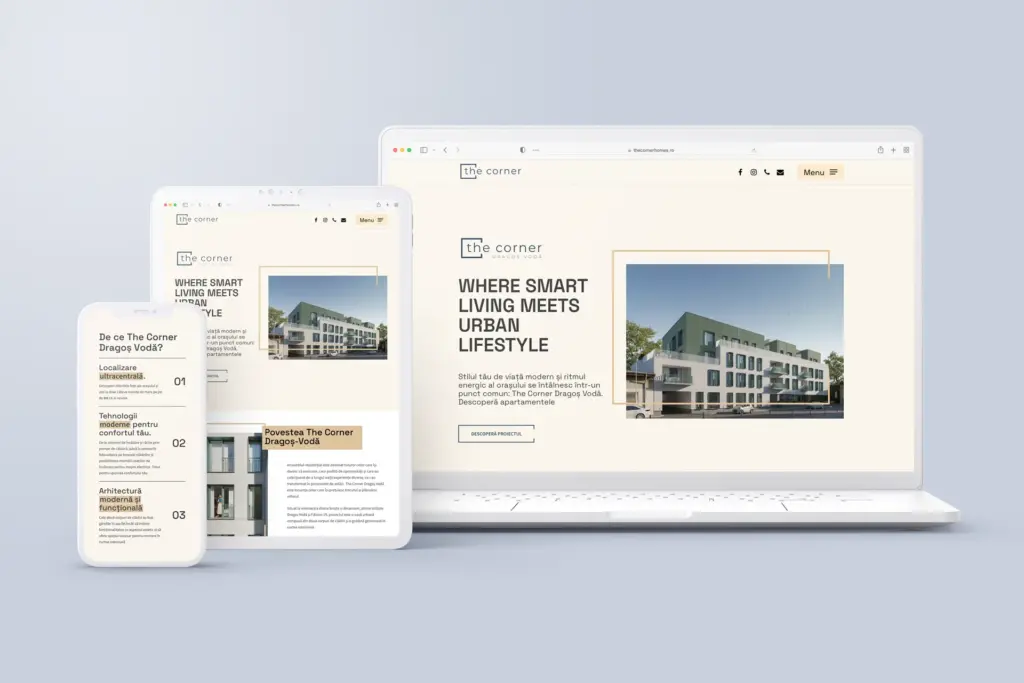
Brand identity example created for our client The Corner:
2. How to define a real estate brand
Defining a strong real estate brand starts with a deep understanding of the market and your target audience. Here are the detailed steps to define your residential development's brand:
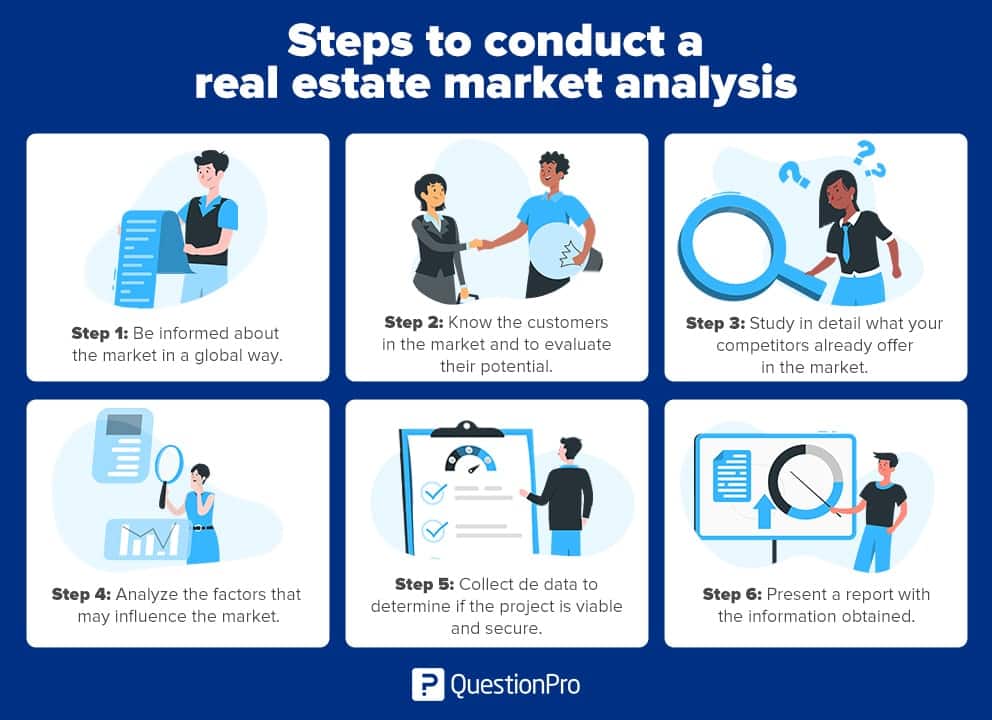
1. Market research
Market research is the foundation of any successful real estate brand. This involves:
- Competitive analysis: Understand what your competitors offer and how the public perceives them. Identify their strengths and weaknesses, and find opportunities to differentiate.
- Identifying your target audience: Find out who your potential buyers are. What are their needs, desires, and preferences? What lifestyle do they lead, and what values do they hold?
- Market trends: Stay on top of current real estate market trends. These may include preferences for certain types of housing, modern amenities, or sustainability practices.
2. Establishing values and mission
Values and mission are critical to defining your brand. They should reflect what you aim to deliver to buyers and the purpose you pursue.
- Values: What matters most to you as a developer? It could be sustainability, innovation, community, or quality. These values should be evident across every aspect of your project.
- Mission: Why does your development exist? What is the core purpose of the project? A clear mission can guide every design and marketing decision, serving as a touchstone for your team and your buyers alike.
3. Defining brand personality
Brand personality is how your brand behaves and expresses itself. It should be consistent and resonate with your target audience.
- Modern and innovative: If your development targets young professionals, a modern and innovative personality can be highly appealing. This can be reflected through contemporary design and high-tech amenities.
- Traditional and classic: If your development targets families or older buyers, a traditional and classic personality may be more fitting. This can be reflected through timeless designs and a sense of community.
3. Bringing the real estate brand to life in your projects
For your brand to remain consistent and recognizable, it needs to be woven into every aspect of the project:
Design and Architecture
Architectural style and interior design must reflect the values and personality of your real estate brand. Here is how to achieve this:
- Architecture: Choose an architectural style that mirrors your brand's personality. For example, a brand that champions innovation might opt for modern, futuristic designs, while a traditional brand might lean toward a timeless, classic aesthetic.
- Materials: Use materials that support your brand's values. For instance, a sustainability-focused brand should use eco-friendly materials and energy-efficient solutions.
- Amenities: Offer amenities that deliver on your brand's promises. For example, a brand promoting an active lifestyle might include fitness centers, running tracks, and swimming pools.
Customer Experience
Every customer touchpoint, from the first showroom visit to after-sales service, must reflect the brand's promises. Here are some ways to achieve this:
- Showroom: The showroom design should reflect your brand identity and provide an immersive experience. Make sure it is well-organized, with presentation materials that highlight the development's key strengths.
- Service: Deliver high-quality service that lives up to your brand's promises. This can include personalized assistance, after-sales support, and responsive communication.
- Communication: The way you communicate with buyers — whether by email, phone, or face-to-face meetings — should reflect your brand's personality and values. Be consistent and authentic in your messaging.
4. Promoting your real estate brand and brand identity online
An online presence is critical for attracting and retaining buyers. A well-crafted digital marketing strategy can amplify your branding efforts and bring your development to the attention of a wider audience. Here is how to promote your real estate brand effectively online:
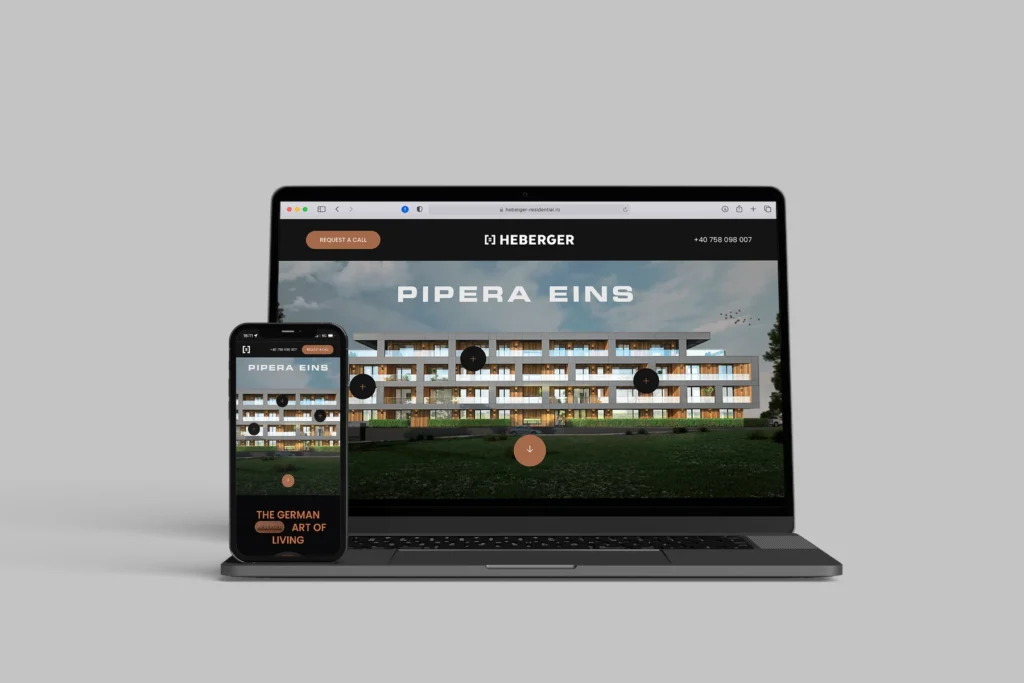
Professional Website
A professional website is essential for showcasing the residential development and building brand credibility. Here are some key elements:
- Attractive design: Make sure your website features an appealing, intuitive design that reflects your brand identity. Use your brand's color palette, typography, and visual elements to create a cohesive experience.
- Easy navigation: The site structure should be clear and easy to navigate. Prospective buyers should be able to find the information they need quickly.
- Virtual tours: Include virtual tours of apartments and amenities to provide an immersive experience and attract out-of-town buyers.
- Testimonials: Add testimonials from satisfied buyers to build trust and demonstrate the quality of the development.
- Landing pages: Create dedicated landing pages to showcase different properties within the development. These pages should include specific details about each property, high-quality photography, floor plans, and information about amenities.
- Transparency: Provide transparent, genuinely useful information. Including clear details about pricing, terms and conditions, project phases, and completion timelines helps build trust and attract well-informed buyers.
- Developer track record: Present an overview of your experience as a developer. Include information about previous projects, awards and recognitions, and positive client feedback. This adds credibility and gives buyers a clear picture of your commitment to quality.
- Project promise: Highlight your project's unique promise. What makes your development special? Why should buyers choose your project? Offer a clear, compelling vision that speaks to the needs and aspirations of your target audience.
Social Media
Social media is a powerful channel for promoting your real estate brand and engaging with your audience. It is essential to use each social media platform strategically to maximize impact.
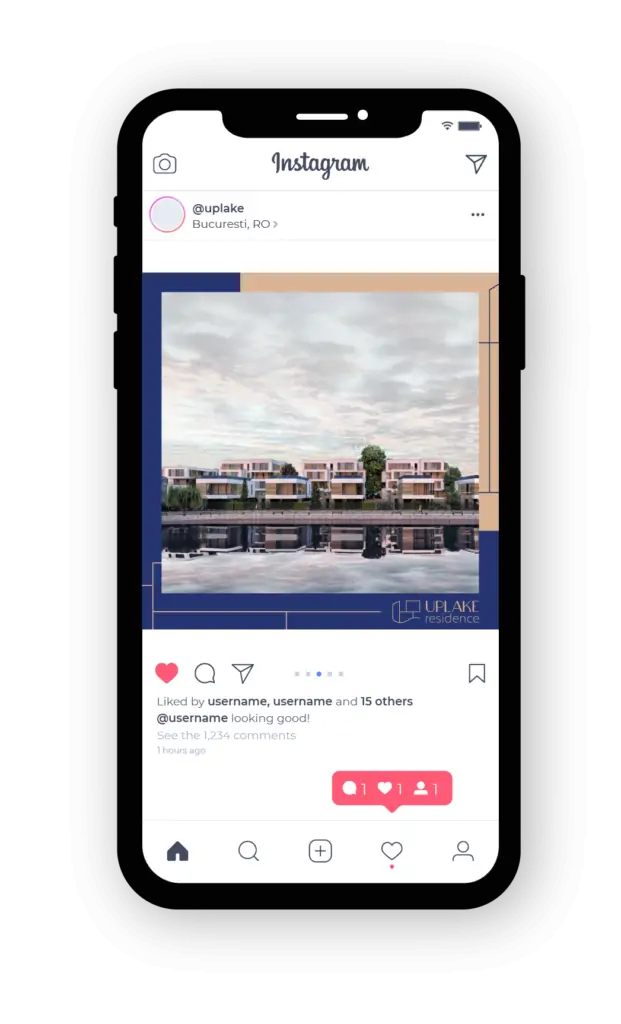 Here are some essential strategies and examples of post types you can use in your communications:
Types of posts
- Photos and videos of the development: Share professional photography and high-quality video of the residential development, showcasing both exteriors and interiors.
- Virtual tours: Create video walkthroughs of available apartments and amenities.
- Construction progress: Post regular updates on construction milestones, including time-lapse videos that show progress over time.
- Testimonials: Share video and written testimonials from happy residents already living in your development.
- Events and activities: Post about events and activities organized for the development's community.
- Amenities and services: Highlight the exclusive amenities and services available to residents, such as fitness centers, swimming pools, green spaces, and more.
- FAQs and answers: Create posts that address frequently asked questions from prospective buyers.
- Inspiration and lifestyle: Share articles and images that inspire with interior design and decorating ideas.
- Contests and giveaways: Run contests and giveaways to boost engagement and attract new followers.
Types of videos throughout the development's construction
- Time-lapse: Show construction progress from groundbreaking to completion.
- Team interviews: Videos featuring interviews with the construction team and architects sharing insights about the project.
- Guided tours: Video walkthroughs of the construction site and apartments at various stages of completion.
- Launch events: Videos from launch events and official project presentations.
Posting frequency
- Daily: Short, engaging updates, images, and stories on Instagram and Facebook.
- Weekly: Progress posts, testimonials, and Q&A-style content.
- Biweekly: More in-depth videos, such as guided tours and time-lapses.
- Monthly: Special events, interviews, and major project updates.
Content types best suited for each social media platform
| Platform | Content Type | Recommended Frequency |
|---|---|---|
| Photos, videos, testimonials, events, FAQs | Daily – Short posts; Weekly – Videos and testimonials; Monthly – Special events | |
| Images, stories, virtual tours, time-lapses, inspiration | Daily – Images and stories; Biweekly – Virtual tours and time-lapses | |
| TiKTok | Short-form videos, vertical format, personal and engaging content | Daily – Progress, interviews, fun edits; Weekly – Short, interactive updates |
| YouTube | Guided tour videos, time-lapses, interviews | Weekly – Tours and interviews; Biweekly – Time-lapses |
| Project articles, team interviews, professional updates | Weekly – Articles and interviews; Biweekly – Progress updates | |
| Decorating ideas, interior design images, lifestyle inspiration | Weekly – Decorating ideas and design images |
By strategically leveraging different types of content across the right social media platforms, you can build and maintain a strong real estate brand that captures and holds your target audience's attention.
SEO and Content Marketing
Search engine optimization (SEO) and content marketing are essential for driving organic traffic to your website and building brand authority. Here are some key tactics:
- Relevant keywords: Identify and use relevant keywords throughout your site content to improve search engine visibility. In this case, the primary keyword is "real estate brand."
- Blogs and articles: Publish informative, relevant articles about the real estate market, trends, and tips for buyers. This type of content not only attracts visitors but also positions your brand as a thought leader in the industry.
- Backlinks: Earn backlinks from trusted industry websites to improve your site's authority and SEO ranking.
Paid Advertising
Paid advertising can be an effective way to draw attention to your residential development and generate qualified leads. Here are some platforms and strategies you can use:
- Google Ads: Use Google Ads to create search and display campaigns that appear when prospective buyers search for relevant terms such as "new apartments" or "residential development."
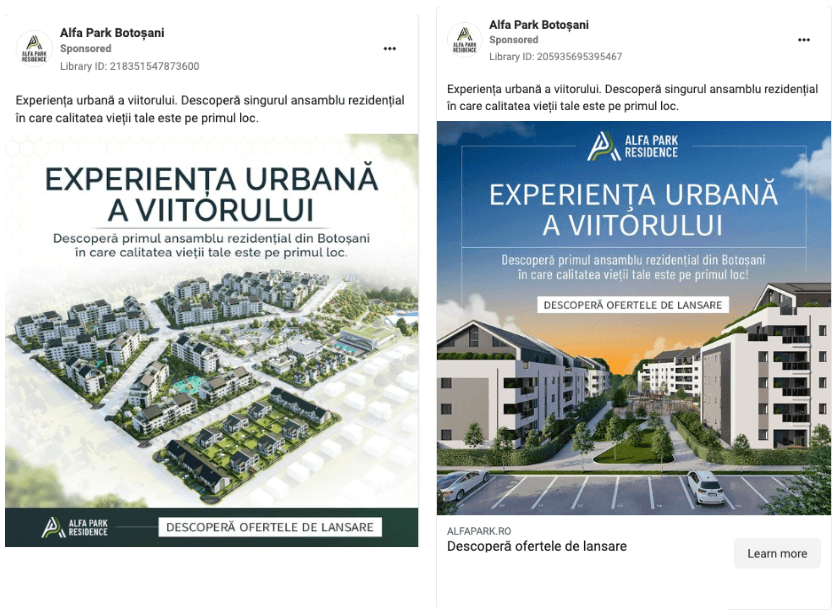
- Social media ads: Use Facebook Ads and Instagram Ads to create visually compelling campaigns that capture your audience's attention. Segment audiences based on demographics, location, and interests to maximize impact.
- Remarketing: Implement remarketing campaigns to re-engage visitors who left your site without taking a specific action. These campaigns can significantly boost conversion rates.
Analytics and optimization
Monitoring and analyzing marketing campaign performance is essential for long-term success.
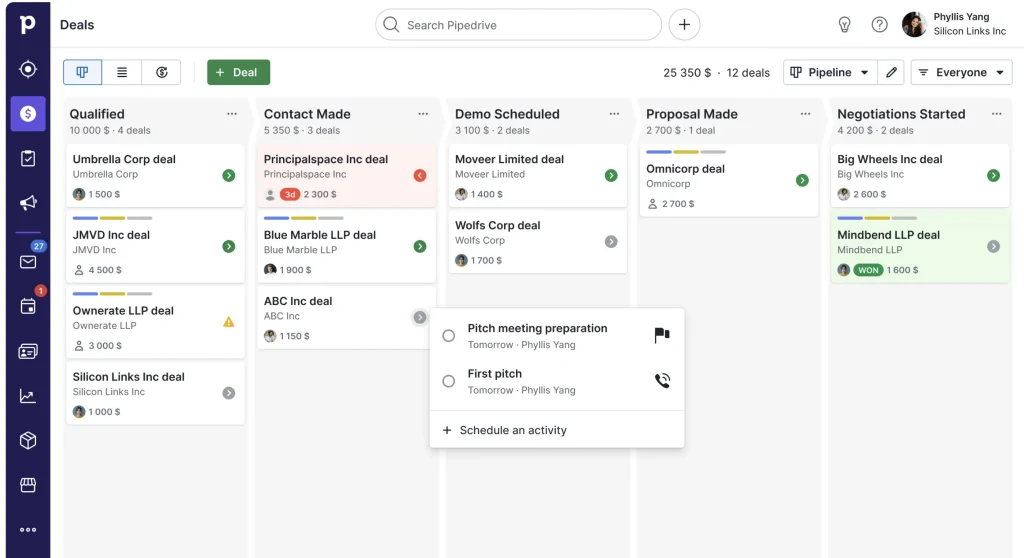
By using analytics tools alongside a CRM (Customer Relationship Management) system, you can optimize your marketing and sales strategies to increase conversion rates and gain a deeper understanding of your buyers.
Why using a CRM matters
An effective CRM is crucial for managing client relationships and improving your sales and marketing processes. Here are some key advantages of using a CRM:
- Centralized information: A CRM collects and stores all client information in one place, giving your sales and marketing teams quick, easy access.
- Interaction tracking: You can monitor every client interaction, from the first point of contact through to the completed sale, enabling more personalized communication and offers.
- Conversion rate analysis: A CRM helps you analyze conversion rates at different stages of the sales process, such as lead-to-viewing and viewing-to-sale conversions.
- Cross-team collaboration: Sales and marketing teams can collaborate more effectively by using the data collected in the CRM to identify trends and adjust strategies in real time.
- Process automation: A CRM can automate many administrative tasks, freeing up time for more strategic activities and reducing the risk of errors.
Analytics tools and metrics
To monitor and optimize marketing campaign performance, you can use a range of essential tools and metrics:
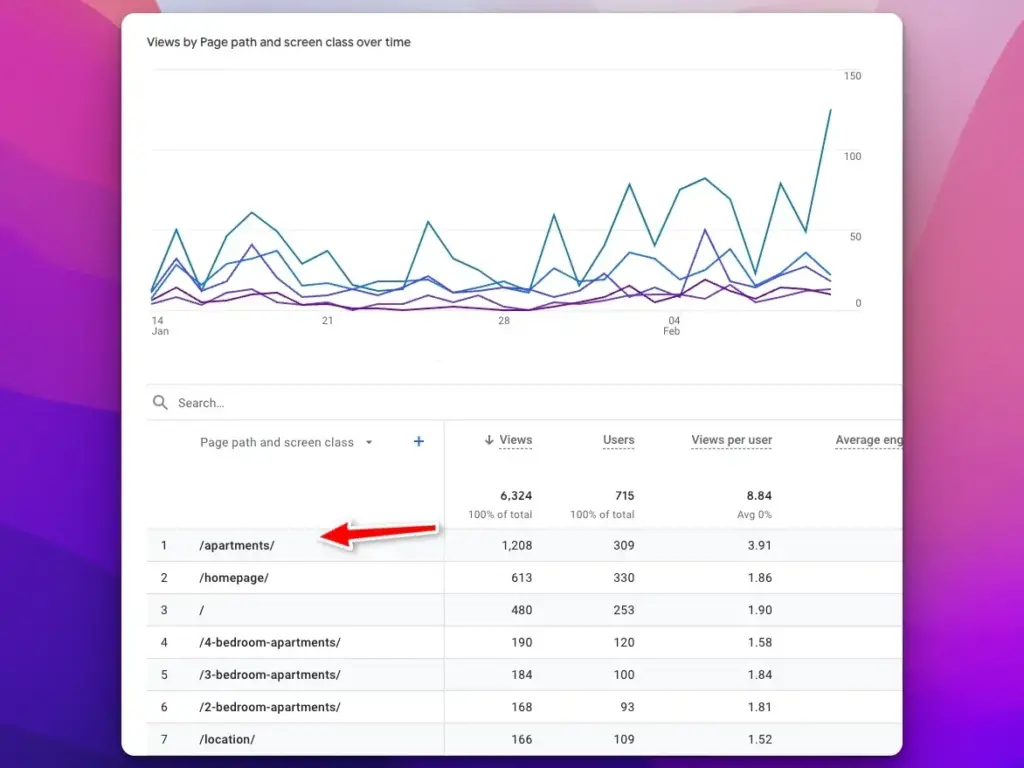
- Google Analytics: Use Google Analytics to track site traffic, user behavior, and conversions. This tool can help you identify strengths and weaknesses in your site and marketing campaigns.
- Social media tools: Use the analytics tools provided by social media platforms to track engagement, reach, and the performance of both organic posts and paid campaigns.
- A/B testing: Run A/B tests to experiment with different content and design variations. This helps you optimize the elements that perform best and improve conversion rates.
- Custom dashboards: Create custom dashboards in your CRM to monitor campaign performance in real time and make informed decisions quickly.
Aligning sales and marketing teams
Effective collaboration between sales and marketing teams is essential for the success of any real estate project. Here is how they can work together to optimize results:
- Continuous feedback: The sales team can provide ongoing feedback to the marketing team about the quality of generated leads and any issues encountered during the sales process.
- Data analysis: Using the CRM, both teams can analyze collected data to identify trends and better understand buyer behavior.
- Strategy adjustments: Based on analysis and feedback, teams can adjust marketing strategies to attract more qualified leads and improve the sales experience.
- Performance monitoring: Continuously monitor campaign performance and the sales process to quickly identify issues and implement effective solutions.
Collecting and leveraging critical data
Using a CRM allows you to collect and leverage critical data to improve the sales process and make informed decisions:
- Demographics: Collect demographic data about your buyers to better understand who they are and what they need.
- Online behavior: Track visitor behavior on your website to identify the most visited pages and optimize content accordingly.
- Interaction history: Analyze the interaction history with each client to personalize communication and deliver a better experience.
- Conversion rate: Track conversion rates at each stage of the sales process to identify bottlenecks and implement improvements.
By using a CRM and fostering close collaboration between your sales and marketing teams, you can streamline the sales process, improve conversion rates, and deliver a superior experience to your buyers.
Consistent monitoring and detailed data analysis are essential to ensuring that your marketing and sales strategies are as effective as possible.
5. Conclusion
Building a strong real estate brand for residential developments is not just a marketing strategy — it is a long-term investment in the success of your projects. A well-defined brand and a cohesive brand identity can set your development apart in a competitive market, attracting and retaining the right buyers.
By integrating your brand's values and personality into design, architecture, and the customer experience, and by promoting it effectively online, you can build a successful real estate brand that stands the test of time.
Summary
For property developers, creating a solid real estate brand for residential developments is essential for long-term success. A brand represents the overall emotional perception of the public, while brand identity includes the visual and auditory elements that represent it.
To define the brand, developers must conduct market research, establish the project's values and mission, and determine the brand's personality. Bringing the brand to life in projects means integrating it into design, architecture, and the customer experience. Online promotion — through website, social media, and SEO — is crucial for attracting and retaining buyers.